Tu español en uso | Spanish with Ania
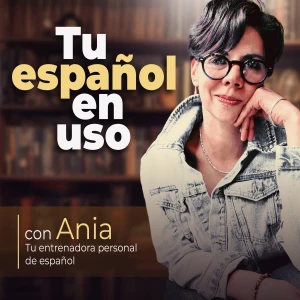
Tu español en uso es un podcast de aprendizaje de español centrado en dejar de traducir mentalmente y ganar fluidez al hablar. Ania, entrenadora personal de español, propone dejar atrás la gramática aburrida y enfocarse en la comunicación y la locución natural. En cada episodio ofrece herramientas prácticas para soltar la lengua y sonar más como un hablante nativo. El programa está dirigido a quienes ya entienden español pero se bloquean al momento de hablarlo.
Episodios
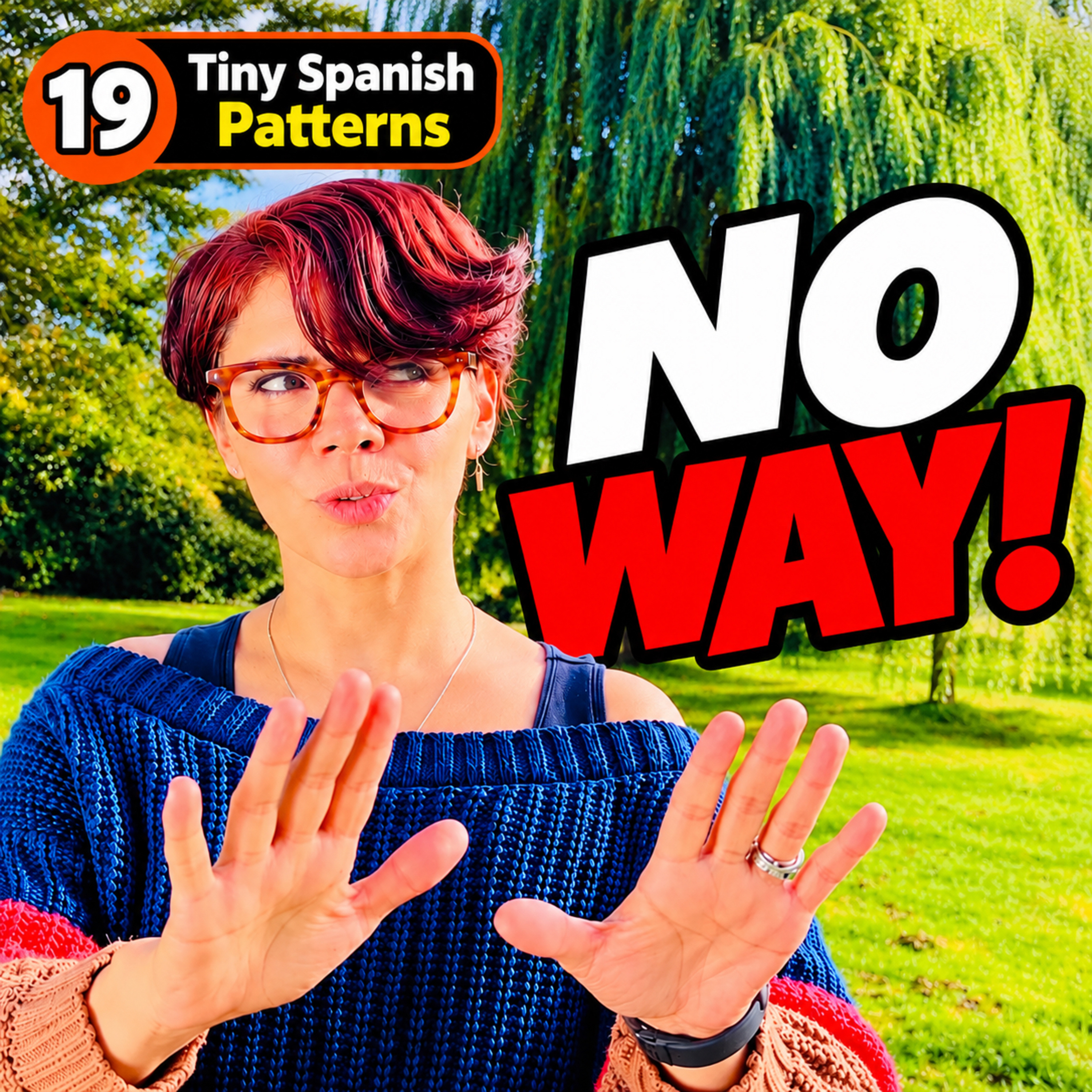
De ninguna manera: How to Say Absolutely Not in Spanish | 🟠 Spanish Tiny Patterns
Spanish Tiny Patterns | De ninguna manera: How to Say Absolutely Not in SpanishHow do you say “Absolutely not!” or “No way!” in Spanish?In this episode of Spanish Tiny Patterns, we explore de ninguna manera, a useful everyday Spanish expression that helps you strongly reject an idea, refuse something, or make it clear that something is simply not an option.You’ll discover:What de ninguna manera me
¿Por qué algunas formas de hablar español parecen más cultas? | Clasismo lingüístico
¿Por qué algunas personas parecen más educadas o cultas simplemente por su manera de hablar? ¿Qué nos hace pensar que ciertos acentos, palabras o expresiones son mejores que otros?En este episodio de Tu español en uso exploramos el clasismo lingüístico, los prejuicios que existen alrededor del idioma y cómo nuestra percepción del español está influida por factores sociales, culturales e históricos
Ni siquiera: How to Say NOT EVEN in Spanish | Tiny Spanish Patterns
Not even? Not even THAT?! In Spanish, one tiny expression can communicate frustration, surprise, disappointment, or emphasis: NI SIQUIERA.In this episode of Tu Español en Uso, you’ll discover how native Spanish speakers use ni siquiera in everyday conversations.Through natural Spanish dialogues, practical examples, and a little humor, you’ll learn how to understand and use this expression without
FUERTE: Mucho más que STRONG | Spanish Listening Practice
FUERTE means STRONG… but not always!What does fuerte really mean in everyday Spanish?In this episode of Tu Español en Uso, we explore how one simple Spanish word can express so many different ideas.Un café fuerte, una voz fuerte, una noticia fuerte, una persona fuerte… ¿Qué tienen en común?A través de ejemplos cotidianos y una historia real sobre Ludwig van Beethoven, descubrirás cómo cambia el si
How Spanish Speakers Talk About Things They Rarely Do | 🟠 Tiny Spanish Patterns
How do you say RARELY or SELDOM in Spanish?In this episode of Tu Español en Uso — Spanish with Ania, you’ll discover how native Spanish speakers use RARA VEZ to talk about habits, routines, and things that don’t happen very often.RARA VEZ means rarely or seldom, but how is it different from CASI NUNCA, A VECES, or NUNCA?Through practical examples, natural Spanish conversations, and listening pract

When It’s Too Late… Say THIS in Spanish | 🟢 HABER Series
De haber sabido… | How to Say IF I HAD KNOWN in SpanishHow do you say “If I had known” in Spanish?In this episode of Tu Español en Uso — Spanish with Ania, discover how Spanish speakers naturally use DE HABER SABIDO and DE HABERLO SABIDO when they learn something too late and realize they would have made a different decision.Through everyday examples, realistic conversations, and practical Spanish

No tiene por qué haber: There Doesn’t Have to Be… | Learn Spanish
How do you say there doesn’t have to be in Spanish? Discover no tiene por qué haber—a useful expression for talking about reasons, problems, explanations and everyday expectations.Listen to clear Spanish explanations, practical examples and a conversation between two characters. Explore the difference between hay, no hay and no tiene por qué haber, and discover why por qué isn’t asking why in this
You Know the Words… So Why Can’t You Understand Spanish?
¿Por qué puedes leer una frase en español perfectamente… pero cuando la escuchas en una conversación parece otro idioma?En este episodio hablamos de una de las razones: en el español hablado, las palabras no siempre suenan como unidades separadas. Los sonidos se conectan, y la sinalefa nos ayuda a entender una parte de este fenómeno.Aprenderás a reconocer estas conexiones para mejorar tu comprensi
La Verdad Es Que: What Does It REALLY Mean in Spanish? | 🟠 Tiny Spanish Patterns
🎧 What does “LA VERDAD ES QUE…” really mean in Spanish?You probably learned that “la verdad es que…” means “the truth is…”But in real Spanish conversation, this expression does much more than that.Spanish speakers use “la verdad es que…” all the time — not because they were lying before, but because it helps us introduce an opinion, soften an answer, explain how we really feel, or simply gain a li

Analysis Paralysis: Grammar Is NOT Speaking | Spanish Fluency
¿Estudias mucha gramática, conoces las reglas y aun así te cuesta hablar español con naturalidad?En este episodio hablamos de algo muy común entre estudiantes de nivel intermedio y avanzado: analysis paralysis.Cuando intentas pensar en la conjugación correcta, recordar la regla, elegir el tiempo verbal perfecto y analizar cada palabra antes de hablar, todo ese conocimiento puede terminar interfiri
You’re Translating “VALE LA PENA” Wrong | 🟠 Tiny Spanish Patterns
🎯 What does “VALE LA PENA” really mean in Spanish?If you translate “vale la pena” word for word, you may completely miss how Spanish speakers actually use it.In this episode of 🟠 Tiny Spanish Patterns, you’ll learn how to understand and use “vale la pena” naturally in everyday Spanish.“Vale la pena” is commonly used to express the idea of:👉 It’s worth it.👉 Is it worth it?👉 It’s not worth it.You’ll
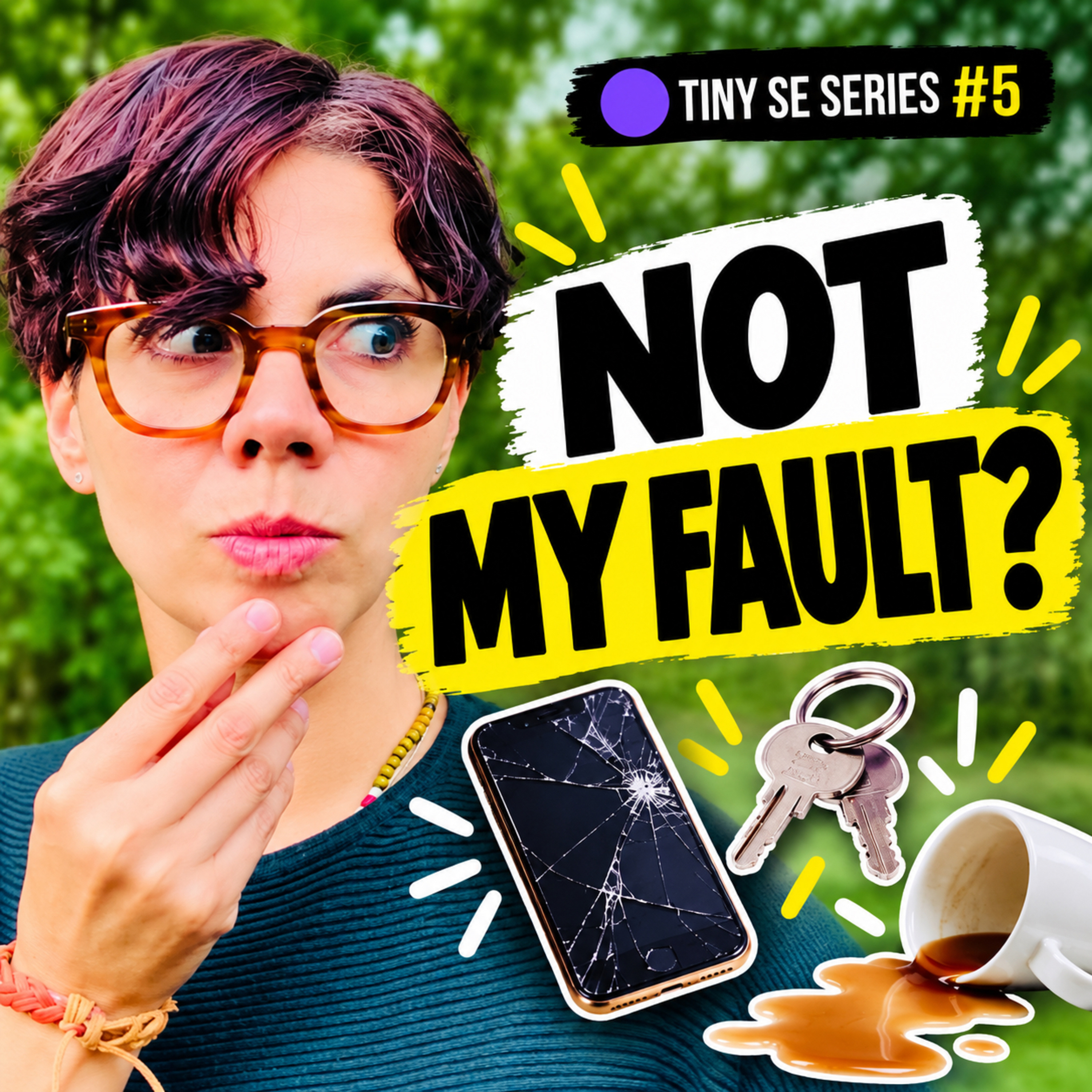
Se me olvidó, se me cayó, se me rompió | The Accidental SE in Spanish
Why do Spanish speakers say se me olvidó, se me cayó, se me rompió?En este episodio de Tu español en uso, aprenderás uno de los usos más comunes de SE en conversaciones reales: el SE accidental o involuntario.¿Qué diferencia hay entre:Rompí el teléfono
y
Se me rompió el teléfono?¿O entre:Perdí las llaves
y
Se me perdieron las llaves?Vamos a trabajar con muchos ejemplos cotidianos para que puedas r
🟡 ¿Por Qué Te Bloqueas Si Ya Sabes Español?
¿Sabes español, pero te bloqueas cuando tienes que hablar con otras personas?Quizá entiendes mucho, conoces las palabras y puedes mantener una conversación… pero cuando alguien habla más rápido, no entiendes una frase o sientes que la otra persona está esperando tu respuesta, todo cambia.En este episodio hablamos de una parte del aprendizaje del español de la que no siempre hablamos: la dimensión
Hazme Caso: What Does It REALLY Mean? | 🟠 Tiny Spanish Patterns
🎧 “HAZME CASO” — What Does It REALLY Mean?Have you ever heard a Spanish speaker say “hazme caso”?This common expression can mean “listen to me,” “trust me,” “take my advice,” or “take my word for it,” depending on the context.In this episode of 🟠 Tiny Spanish Patterns, you’ll learn how to naturally use:• Hazme caso.• Hazle caso.• Hazles caso.• No me hagas caso.• No le hagas caso.• Hacer caso a + p
Menos Mal in Spanish: What Does It Mean? | 🟠 Tiny Spanish Patterns
🎧 What does “menos mal” mean in Spanish?Have you ever heard a Spanish speaker say “¡menos mal!” and wondered why they were saying “less bad”?In this audio lesson, you’ll learn how Spanish speakers use “menos mal” to express relief — similar to:“Thank goodness.”“What a relief.”“Fortunately.”“Luckily.”“Good thing…”You’ll learn the most common patterns:“¡Menos mal!”“Menos mal que + situation”You’ll a

Bien Que Mal” Makes NO Sense… Until You Know This | 🟠 Tiny Spanish Patterns
🎧 What does “bien que mal” mean in Spanish?In this Spanish listening lesson, you’ll learn how to understand and use the expression “bien que mal” naturally — without translating it word for word.“Bien que mal” can express the idea of somehow, despite everything, or not perfectly but managing to move forward.For example:“Bien que mal, terminé el trabajo.”“Bien que mal, seguimos en contacto.”“Bien q
Both… and… in Spanish? Learn “Tanto… como…” | 🟠 Tiny Spanish Patterns
🎯 Learn how to use “tanto… como…” naturally in Spanish — without translating word for word from English.In this audio lesson, you’ll learn how Spanish speakers use “tanto… como…” to connect two people, things, moments, or possibilities.For example:“Tanto tú como yo necesitamos practicar español.”“Tanto hoy como mañana tengo mucho trabajo.”“Me gustan tanto el café como el té.”“Tanto antes como ahor
Better? Think Again! “Mejor” in Spanish | 🟠 Tiny Spanish Patterns
Better? Think Again! “Mejor” in Spanish | 🟠 Tiny Spanish Patterns #10Personalized 1-on-1 language lessons with native teachers on italki. Buy $10 and get $5 off with code ANIA.https://go.italki.com/ania2608https://go.italki.com/ania2608app🎯 Learn how to use “mejor” naturally in Spanish — because it doesn’t always mean “better.”In this Tiny Spanish Pattern, you’ll discover how “mejor” works in ever
Actually in Spanish? Learn “De hecho” | 🟠 Tiny Spanish Patterns
Learn How to Use “DE HECHO” Naturally in Spanish | 🟠 Tiny Spanish PatternsPersonalized 1-on-1 language lessons with native teachers on italki. Buy $10 get $5 off with code ANIA.https://go.italki.com/ania2608https://go.italki.com/ania2608app🎯 Learn how to use “de hecho” naturally in Spanish — without translating word for word from English.In this Tiny Spanish Pattern, you’ll learn one of those smal
1,000 Horas de Español… ¿y Todavía No Puedes Hablar? | Spanish Fluency Tips
1,000 Horas de Español… ¿y Todavía No Puedes Hablar?Personalized 1-on-1 language lessons with native teachers on italki. Buy $10 get $5 off with code ANIA.https://go.italki.com/ania2608https://go.italki.com/ania2608app🎯 Can you study Spanish for hundreds or even thousands of hours and still feel like you can’t speak?You can study vocabulary, learn structures, complete exercises, answer quizzes and
What Happens Is… in Spanish? Learn “Lo que pasa” | 🟠 Tiny Spanish Patterns
Learn How to Use “LO QUE PASA” Naturally in Spanish | Tiny Spanish Pattern #8Personalized 1-on-1 language lessons with native teachers on italki. Buy $10 get $5 off with code ANIA.https://go.italki.com/ania2608https://go.italki.com/ania2608app🎯 Learn how to use “lo que pasa” naturally in Spanish — without translating word for word from English.In this Tiny Spanish Pattern #8, you’ll learn one of t
As Long As in Spanish? Learn “Siempre y cuando” | 🟠 Tiny Spanish Patterns
Learn How to Use “SIEMPRE Y CUANDO” Naturally in Spanish | Tiny Spanish Pattern #7Personalized 1-on-1 language lessons with native teachers on italki. Buy $10 get $5 off with code ANIA.https://go.italki.com/ania2608https://go.italki.com/ania2608app🎯 Learn how to use “siempre y cuando” naturally in Spanish — without translating word for word from English.In this Tiny Spanish Pattern #7, you’ll lear
TINY SPANISH PATTERNS “Por si acaso”
Learn How to Use “POR SI ACASO” Naturally in Spanish | Tiny Spanish Pattern🎯 Learn how to use “por si acaso” naturally in Spanish — without translating word for word from English.In this Tiny Spanish Pattern, you’ll learn one of the most useful expressions Spanish speakers use when talking about doing something as a precaution or just in case.If you’re an intermediate or advanced Spanish learner,
🟠 TINY SPANISH PATTERNS “Hay que”
Learn How to Use “HAY QUE” Naturally in Spanish | Tiny Spanish Pattern #4Personalized 1-on-1 language lessons with native teachers on italki. Buy $10 get $5 off with code ANIAWeb: https://go.italki.com/ania2608 | App: https://go.italki.com/ania2608app🎯 Learn how to use “hay que” naturally in Spanish — without translating word for word from English.In this Tiny Spanish Pattern #4, you’ll learn one
Tiny Spanish Patterns Serie Haber 🟢 “Debe haber” | There must be
Aprende a usar HABER en español de forma natural, paso a paso.Si quieres dejar de traducir desde el inglés y empezar a pensar en español, esta serie es para ti.Reserva one to one session here Reserva tu clase conmigo aquí:https://www.italki.com/en/teacher/5687811📸 Sígueme en Instagram: https://www.instagram.com/tu_espanol_en_uso_?igsh=MTUxbmJsOXNpNmV2NA%3D%3D&utm_source=qr
Perfect Spanish Is Killing Your Fluency
If you’re learning Spanish and you’re always trying to speak perfectly, this may be holding you back more than you realize.In this episode, we talk about why perfection can kill your Spanish fluency — and why speaking a language is not about producing perfect sentences every time.If you constantly think about vocabulary, pronunciation, verb forms, translating from English, or correcting yourself w
The Real Reason You Freeze When Speaking Spanish
Many Spanish learners experience the same thing:When they practice alone, they feel confident.But when they speak with a real person, everything suddenly feels harder.Why does that happen?In this video, we explore one of the most common challenges in language learning: freezing during real conversations.You may think you need more grammar, more vocabulary, or more study time.But sometimes the chal
Un paseo por un mercado mexicano 🇲🇽
¿Cómo suena un mercado mexicano de verdad?En este episodio te llevo conmigo a uno de los lugares más vivos y tradicionales de México: el mercado.Escucharás español natural, expresiones cotidianas y sonidos auténticos del ambiente mientras recorremos juntos los pasillos, los puestos y la energía de un mercado mexicano.Este episodio está pensado para estudiantes de español que quieren mejorar su com
Dónde habitan Los Ángeles por Claudia Celis | Book club #3
Continuamos con nuestro Book club.Capítulos:Corte de Pelo Los Reyes Magos Mi papá📖 Únete a mis Reading Master Sessions: https://wa.link/ac2x4z🎙 Escucha mi Podcast para más tips: https://podcasts.apple.com/us/podcast/tu-español-en-uso/id1890828363Reserva tu clase conmigo aquí:https://www.italki.com/en/teacher/5687811📸 Sígueme en Instagram: https://www.instagram.com/tu_espanol_en_uso_?igsh=MTUxbmJsO
Donde habitan Los Ángeles por Claudia Celis | Book club #2
Continúa practicando tu español con los siguientes episodios del libro “ Donde habitan los ángeles por Claudia Celis” Ve el video completo en mi canal de YouTube: https://youtu.be/ZW1G06mOquc?si=-IokS-QEkQsDb1u0
Secret Culture Behind this Spanish Trick: El diminutivo -Ito, -ita / -in, -ines
Si te enseñaron que utilizar el diminutivo, es para hacer las cosas más pequeñas, aquí encontrarás el verdadero uso del definitivo. 🚀 Lleva tu español al siguiente nivel:📖 Únete a mis Reading Master Sessions: https://wa.link/ac2x4z🎙 Escucha mi Podcast para más tips: https://podcasts.apple.com/us/podcast/tu-español-en-uso/id1890828363Reserva tu clase conmigo aquí:https://www.italki.com/en/teacher/5
Práctica tu español intermedio con el libro Mexicano “Donde habitan Los Ángeles” por Claudia Celis
Bienvenidos al primer círculo de lectura Book club de nuestro podcast tu español en uso. En esta ocasión. Estamos leyendo un libro muy divertido muy agradable y con un vocabulario muy entendible que se titula donde habitan los ángeles escritos por la gran autora Claudia Celis.Si tu nivel es intermedio y quieres escalar al siguiente nivel, este libro es perfecto para ti visita a mi canal de YouTube
Al mal tiempo, buena cara: The mindset shift you need for Spanish fluency
Alguna vez has tenido un día donde nada sale como esperabas? Stuck in traffic, the weather is a mess, and your plans are ruined? 😅In today’s episode, I’m sharing one of the most powerful and popular phrases in the Spanish language: 'Al mal tiempo, buena cara.'We’re moving beyond grammar books to talk about real-life resilience. I’ll explain:✅ The literal vs. the cultural meaning of this idiom.✅ Wh
"De Guatemala a Guatepeor 📉: The art of Spanish wordplay"
In this episode, we dive deep into the real Spanish you won't find in textbooks. 🧠 We talk about those days when everything goes wrong and how to describe it using the perfect wordplay: De Guatemala a Guatepeor. >🚀 Take your Spanish to the next level:📺 Subscribe on YouTube: Spanish with Ania📸 Follow the daily training on IG: @tu_espanol_en_uso_Remember: This is how we speak Spanish!"
Countryside vs. Campo: ¿Por qué NO son lo mismo?"
Do you really know how to describe what you see when you leave the city? 🇬🇧🇲🇽En el episodio de hoy, te llevo conmigo al corazón del English Countryside. Living here has made me realize that "el campo" is much more than just fresh air; es un lenguaje lleno de matices, traditions, and of course, ¡mucho vocabulario bilingüe!In this episode you will learn:✅ The real difference (cultural & linguistic)
Ahorita: Now, Later or Never? (Mexican Spanish Explained).
Have you ever been left waiting after someone told you "Ahorita"? 😅 Don't worry, you’re not alone! It’s the most used (and misunderstood) word in Mexican Spanish.En este episodio, we dive deep into the Mexican Twilight Zone of time. I’ll explain why "Ahorita" almost never means "right now" and how you can decode what a Mexican actually means when they say it.What you’ll learn today: The literal v
Stop sounding like a robot: 5 Essential Spanish Fillers
In this episode, I share my personal journey of becoming bilingual when I moved abroad and the challenges of translating everything in your head. You'll learn the 5 "muletillas" (filler words) that will help you sound natural and keep the conversation flowing.I help you stop translating in your head.🎙️ Real Spanish for a natural flow.🚫 No more boring grammar.📩 Book a session👇🔗 https://wa.link/ac2x
La Procrastinación: ¿Por qué dejamos todo para mañana?
¿Alguna vez has sentido que tienes mil cosas por hacer pero terminas mirando el móvil o limpiando la casa en lugar de trabajar en tus metas? ¡No estás solo!En el episodio de hoy de Tu español en uso, vamos a profundizar en un concepto que nos afecta a todos: la procrastinación. Pero no lo vamos a ver desde la gramática aburrida, sino desde la vida realEn este episodio aprenderás:✅ ¿Qué significa
De una leyenda africana a tu taza: La historia del café
¿Sabías que todo comenzó con un pastor y sus cabras "saltarinas"? En este episodio, viajamos en el tiempo para descubrir la fascinante historia detrás de la bebida más popular del mundo. Desde la antigua leyenda de su descubrimiento hasta cómo se convirtió en el ritual global que conocemos hoy. Además, exploramos el mapa actual del café: revelamos cuáles son los 10 países que lideran la producción
El poder de los libros
Alguna vez has sentido que la gramática española es un laberinto sin salida? ¿Te cansa memorizar listas de verbos que luego olvidas al hablar? En este entrenamiento, te revelo el "arma secreta" de los estudiantes más avanzados: la lectura consciente.Hoy vamos a descubrir por qué leer es el gimnasio perfecto para tu cerebro y cómo puedes absorber la gramática de forma natural, casi por ósmosis. Te
Las 4 habilidades para aprender español
Sientes que tu español está "atrapado" en los libros? En este entrenamiento de 15 minutos, vamos a dejar de ver el idioma como una materia académica y empezaremos a verlo como lo que realmente es: un deporte de alto rendimiento.Hoy te explico cómo entrenar los 4 habilidades fundamentales para que dejes de ser un estudiante pasivo y te conviertas en un usuario real del español:Leer y escuchar Por q
01. El muro invisible: ¿Por qué entiendes todo pero no hablas?
¿Te ha pasado que entiendes las películas, lees libros en español y comprendes a tus amigos, pero al momento de abrir la boca tu cerebro se congela?En este primer entrenamiento, vamos a descubrir por qué sucede esto. Spoiler: No es que te falte vocabulario, es que te falta entrenamiento. Hablar un idioma es una habilidad física, como un deporte, y hoy te explico cómo saltar de la teoría a la canch
Tráiler
Hola, Usuarios del español! Bienvenidos a este nuevo espacio. Soy Ania, su entrenadora personal de español, y a partir de este momento... nuestro español está en uso.En este podcast, no vamos a estudiar el idioma, vamos a entrenarlo. Olvida las reglas aburridas y prepárate para soltar la lengua con herramientas reales de comunicación. Suscríbete para empezar tu entrenamiento.📩 ¿Listo para el sigui